The Monstrous Legacy Inventories Eating OEMs’ Profits
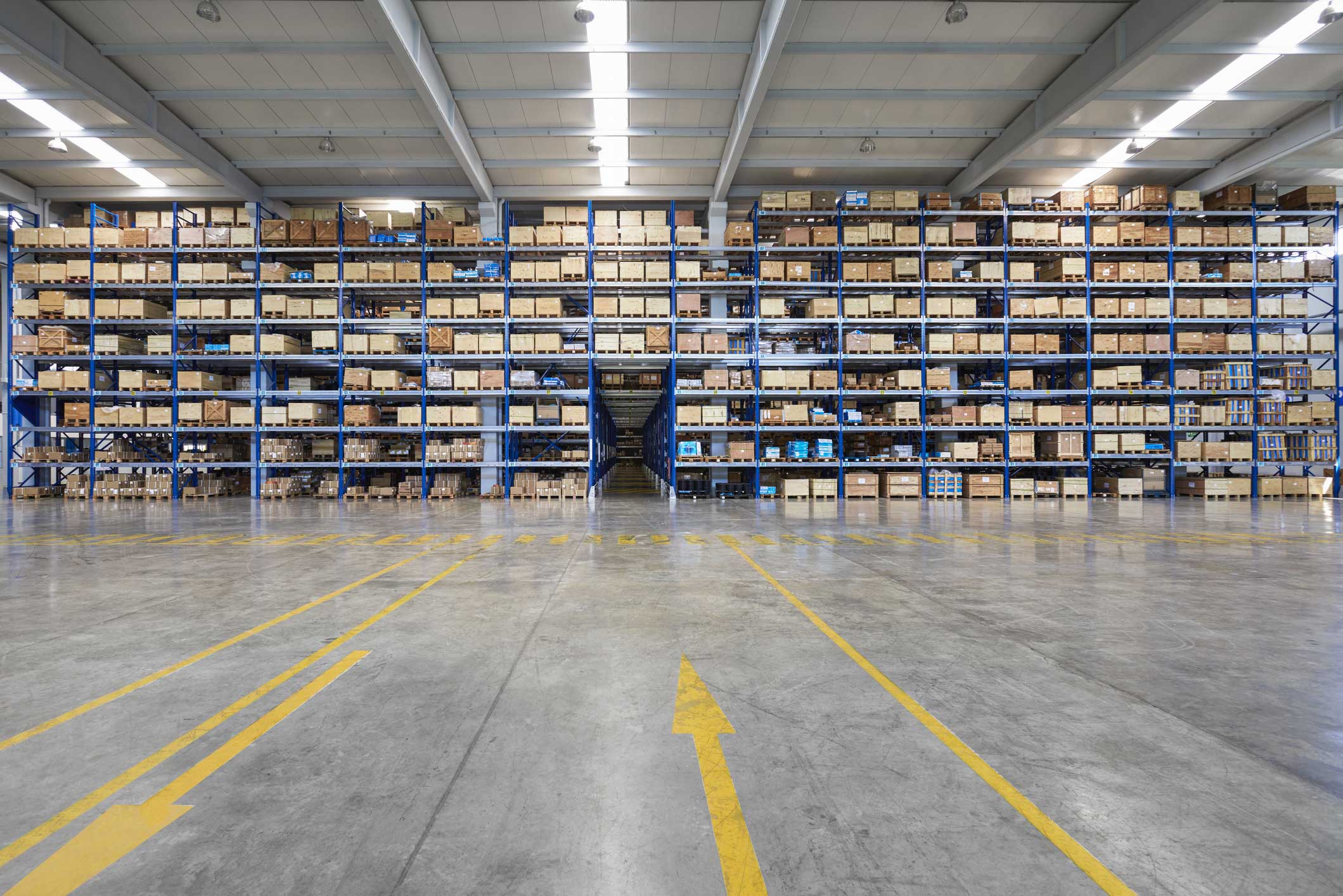
Original equipment manufacturers (OEMs) in industries like aerospace, automotive, commercial IT equipment, and heavy equipment maintain large inventories of aftermarket parts to support customers’ repair and maintenance needs for years or decades. Warranties, regulations, ethics, and reputation require it. Although some of this inventory is managed for revenue-generating aftermarket sales, millions of cubic feet of warehouses are filled with slow-moving aftermarket inventory for long-term support of customers’ automobiles, airplanes, excavators, and other long-lived equipment.
Why the massive stockpiles? Are OEMs extraordinarily conservative in their approach to managing aftermarket inventory?
Well, no. Most OEM procurement professionals I know would love to apply the techniques of modern supply chain management to minimize waste and reduce their carrying costs for aftermarket inventory — like they do with parts and materials procured to meet current and forecasted manufacturing needs.
But most OEM aftermarket inventory cannot be streamlined or optimized in these ways. The items in those inventories are old. For modern markets and technology, they are obsolete. There is no contemporary demand from buyers for the parts that go into a 20-year-old excavator or a 50-year-old B-52. The suppliers that make (or made) those parts are constantly trimming and adjusting business lines, eliminating the very parts an OEM needs to meet its customers’ repair and maintenance needs.
For the U.S. Department of War (DoW), this problem is known as DMSMS, or diminishing manufacturing sources and material shortages. DMSMS devours the time and attention of countless DoW procurement and logistics specialists who vigilantly monitor thousands of supplier firms to identify parts at risk of discontinuation. Running out of an inexpensive connector, valve, or switch could sideline an important weapons system, obstruct a vital mission, or undermine the country’s ability to deploy and support its forces.
Private sector OEMs that make long-lived equipment face their own versions of DMSMS as they seek to maintain spare parts availability for customers while their supplier base constantly innovates and discontinues legacy parts. For both the DoW and OEMs, the toolkit for keeping spare parts available has been largely limited to two main strategies:
- Purchase lifetime buys. Procure enough supply to last the “lifetime” of customers’ equipment before suppliers discontinue those parts.
- Commission a supplier to make the items, which requires paying for custom tooling and buying a minimum order quantity (MOQ) that can be far more than the OEM anticipates needing.
These strategies are inherently expensive, especially when the supplier’s invoice is just the first cost of holding aftermarket inventory. Unlike fast-moving inventory for making revenue-generating products, aftermarket inventories must be stored, monitored, and insured for years or decades.
Unfortunately, many OEMs accept this method of stocking aftermarket parts. They see no other options. The impact of these old-fashioned practices are not disclosed in financial reporting but they are still a drag on a business’ cost structure.
I have worked as a supply chain management executive and consultant for many years across several industries. I know the carrying costs of aftermarket parts inventories held by a large OEM in a capital-intensive industry can represent 5 to 10 percent of total inventory value annually.
It’s a problem we’ll be exploring on this blog over the next several weeks and months. Stay tuned. There is a better way. Emerging solutions are heading our way soon.